General Usage Tips
Start with an empty interior? 🧊
Do not run the microwave with nothing inside — this can damage the appliance. Always place food or a microwave-safe container before operating.Use Microwave-Safe Containers
Only use dishes, bowls, and covers labeled microwave-safe. Avoid metal, aluminum foil, or containers with metallic paint or trim — they can cause sparks and damage.Cover Food to Prevent Splatter
Use a microwave cover, lid, or microwave-safe wrap to avoid splashes. This keeps the interior cleaner and prevents hot food from exploding in the microwave.Avoid Superheating Liquids
Liquids can become extremely hot and may boil over suddenly. Always use a container with a wide opening, and let hot liquids stand for a short time before removing.
About Power & Cooking Levels
Power Levels Differ by Model
Many Japanese microwave ovens have multiple power settings (e.g., low / medium / high), but the maximum output may be lower than overseas ovens. Don’t be surprised if heating times seem longer than what you’re used to abroad.Be Careful with High Heat for Long Times 🔥
Running the microwave on high power for extended periods — especially with dense or dry food — can strain the motor and magnetron and lead to shorter appliance life or failure.
Microwave + Oven / Grill Functions
Combination Models Exist, But Not Very Powerful
Some Japanese microwaves include oven or grill functions, but compared to Western convection ovens, their heating power is often less intense — they may take longer to brown or crisp foods.Read the Manual for Specific Features
Because custom functions vary by model, check your microwave’s manual for information about convection, grill, or auto-defrost settings before using them.
Safety Do’s & Don’ts
✅ Do:
Place food and microwave-safe containers before starting.
Stir or rotate food halfway through cooking if possible.
Use oven mitts or heat-resistant gloves to remove hot dishes.
❌ Don’t:
Run the microwave empty.
Use metal or foil inside the microwave.
Heat sealed containers without venting — pressure can build and cause an explosion.
Force-open the door during operation.
Notes on Differences Between Japan and Overseas
Voltage & Wattage
In Japan, most household microwaves run on 100 V power, which can result in lower heating intensity compared to microwaves in countries with higher voltage systems.Heating Times May Vary
Because of different wattages and microwave designs, recipes or heating instructions from other countries may not match perfectly. When in doubt, start with shorter heating times and add time gradually.Language Support
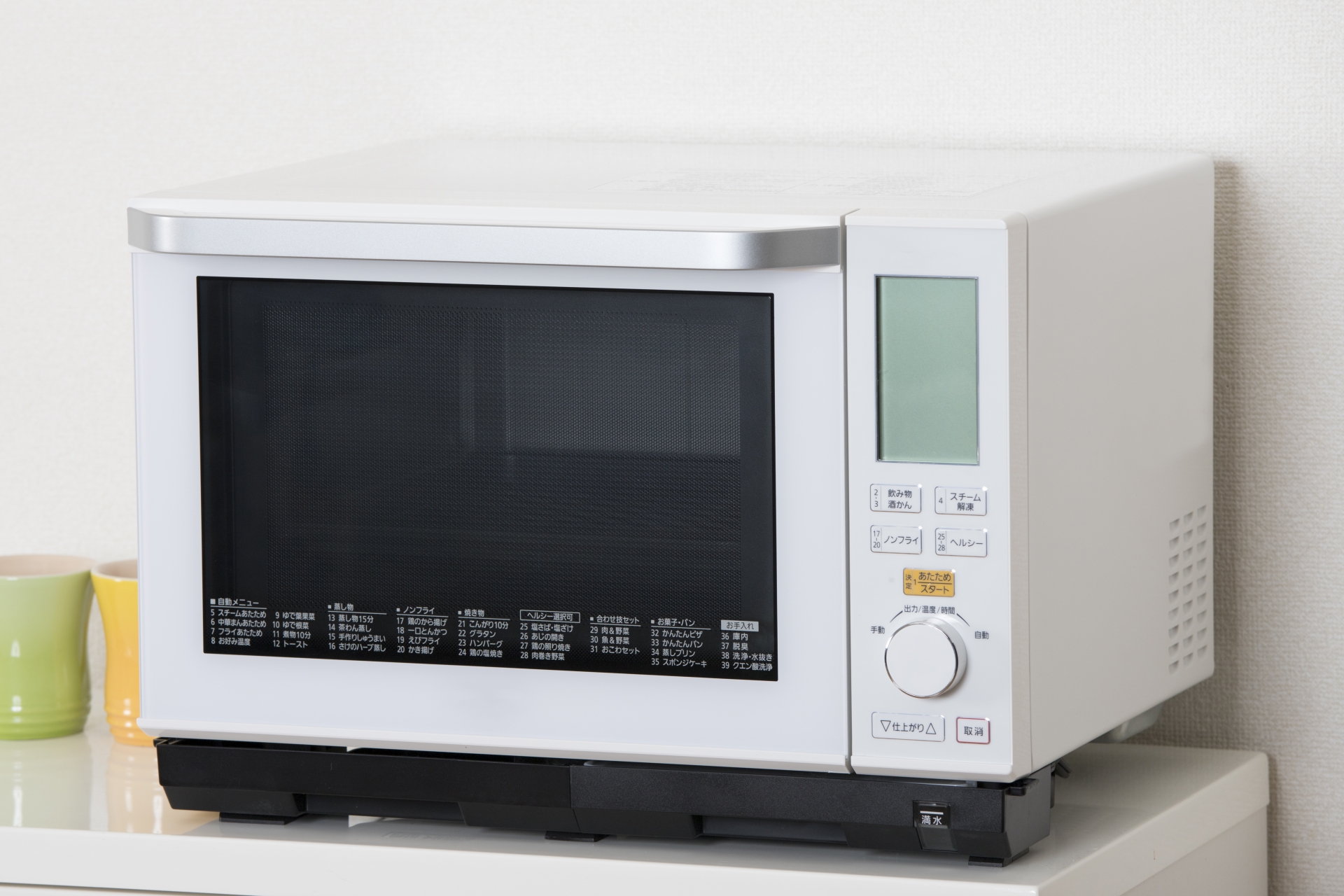
Some models sold in Japan may only have Japanese instructions on the panel. If needed, use a translation app to help interpret settings.
Final Reminder
Microwave ovens are convenient tools — but proper use and correct containers matter for safety and longevity. If you ever feel unsure about a setting or how to heat a particular item, start with a lower time, check frequently, and adjust as you learn your microwave’s characteristics.